
Manifesto
This is our working program. It defines how we make cinema, why we make it, and under what conditions. Each maxim is an operational decision.
Who We Are

More than artists we are craftspeople; more than influencers we are laborers. We seek to elevate our craft to the highest level, chiseling over days, months, years, an image, a sound, a word. Like Flaubert, but in cinema, we seek the “just frame.”
- 02
We don’t know what we’re talking about. We haven’t attended any film school. The money doesn’t stretch to pay the rent.
- 03
We are anachronistic. We know the absurdity of writing a manifesto now.
- 04
We don’t take ourselves very seriously. The world owes us nothing and no one has asked us to make cinema. We know we will gain nothing from our films except poverty, solitude, and darkness. We expect nothing from anyone either.
- 05
We are not legally constituted, that is, we have no papers, that is, we don’t exist. We are immigrants and foreigners; always.
- 06
We are marked by impossibility and failure.
Fail again. Fail better.
What We Believe
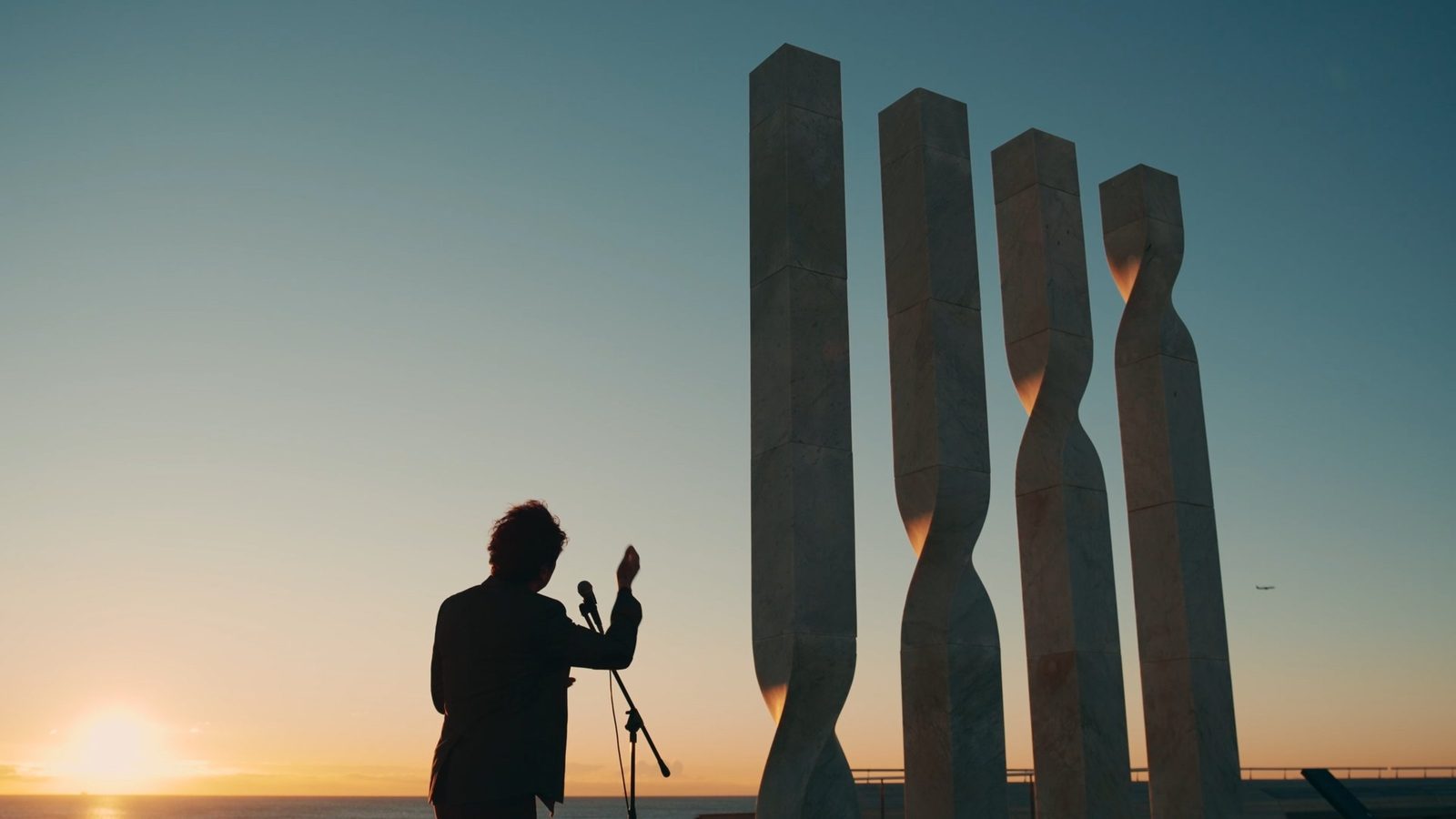
Making cinema is an obligation and there is no other; no employment, no pension, no certainty, no progress, no happiness, no future.
- 08
Every film must respond to a vital necessity.
- 09
All imposture is prohibited.
- 10
Vanity and self-satisfaction are the great enemies of our time.
- 11
Self-exploitation in cinema (and any other form of art) is a new form of dignity difficult to obtain any other way. The alternatives to self-exploitation no longer exist.
- 12
We live modest lives; to survive we accept any other kind of work, and better still if it is unrelated to cinema (the more proletarian, the more valuable for production).
- 13
No one should expect any economic benefit from anything.
What Kind of Cinema We Make

In our films, story reigns above all else. We understand cinema more as literature and music than as painting and/or sculpture.
- 15
Cinema must be primarily art and not industry, even if that now registers as comedy.
- 16
We tell stories of vanguard, circular, dark humor, disturbing and tender stories, never self-satisfied or generic; stories that establish a small new ray of light to feel the malaises differently, attenuated.
- 17
Contemporary cinema demands the collision of “high” and “low” culture, as both are collapsing.
- 18
All genres are valid as long as they are subverted and treated with dignity and rigor.
- 19
Nothing, stupidity, and disguised poverty are excellent subjects for cinema today.
- 20
We can no longer distinguish well what is reality from fiction, so we don’t pretend to.
- 21
We like contradictions and the use of literary figures; the oxymoron and hypallage and polysyndeton and anacoluthon.
- 22
We are committed to the subversion and mixing of genres.
- 23
We are the copy of a copy of a copy of a copy of a cop…
- 24
A film should last the minimum necessary for it to be excellent. Boredom as an aesthetic effect is now an aberration, a cliché that only serves to mask the mediocrity of the new filmnfluencers that saturate festivals, public calls, and cinemas.
- 25
We firmly believe that the written or spoken word is more valuable and potent than the Instagram filter, the WhatsApp emoji, or the TikTok effect. We will go viral.
Either one is a guerrilla filmmaker or one is not a filmmaker.
How We Work
All festivals, all public calls, all agents from production companies, all audiences, the entire world is already packed with films, intoxicated. There is no more room for anyone.
- 27
We tell modest and significant stories without big budgets (that is, without a budget).
- 28
Each team member has a percentage ownership in the film.
- 29
Each department must contribute to production with its own technical equipment and work team.
- 30
Actors must provide at least 80% of the makeup and wardrobe for their character. In this sense, they must work together with the screenwriter and director in the creation of their characters.
- 31
We excel at optimizing time and resources. Maximum two locations and three days for each shoot (or not). A shot should never have more than five takes (or not).
- 32
We make use of voiceover narrators and voices in post-production (See: A Man Escaped). Well-done direct sound is very expensive.
- 33
The use of AI and any technological tool is permitted as long as we understand that these technologies are made to idiotize minds and undermine skills.
- 34
To film we sign written contracts of collaboration that have no legal effect whatsoever.
- 35
Aspiring YouTubers are usually good crew members. They commonly have cameras and lights, and they are attentive and collaborative.
What We Demand
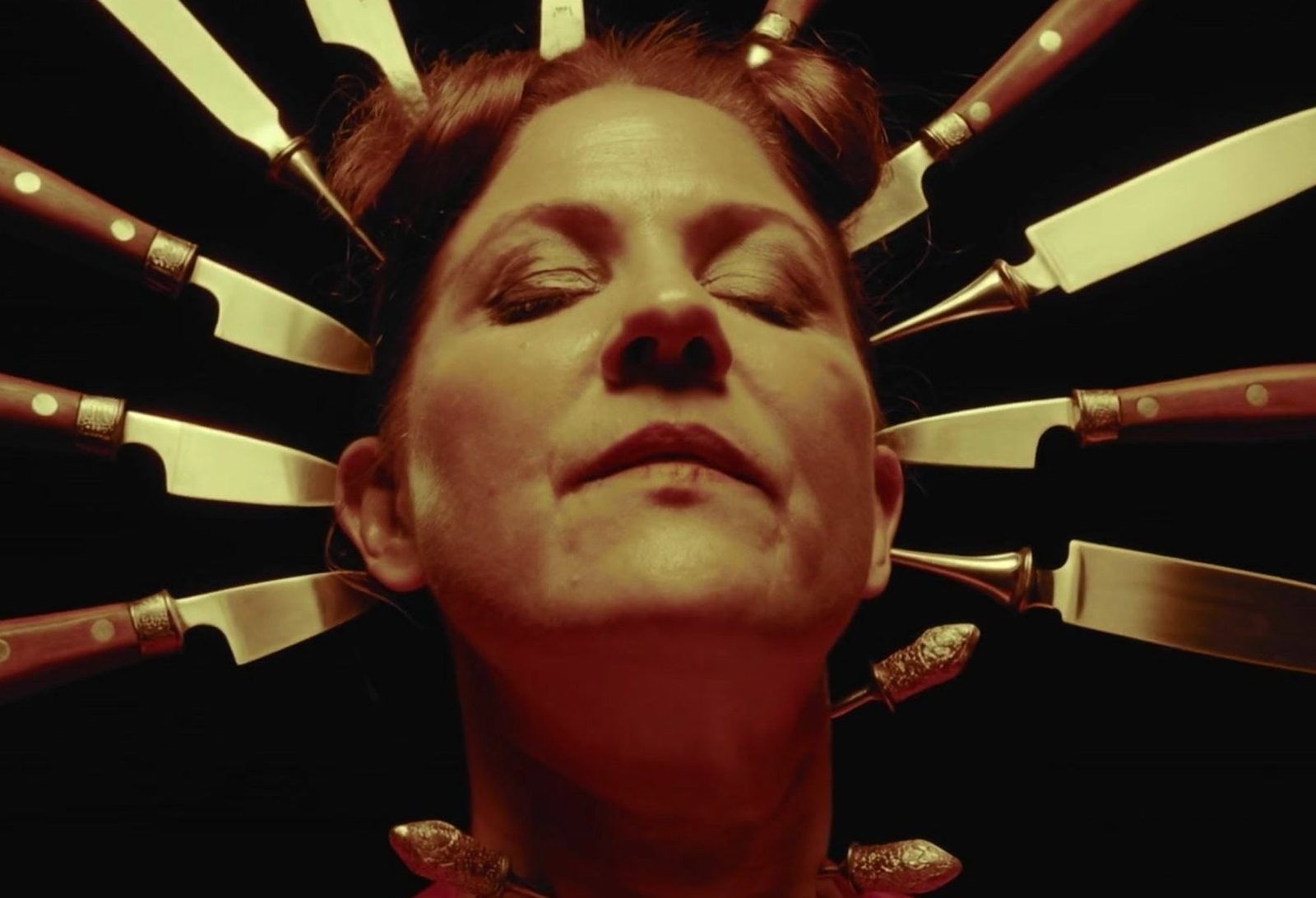
Some important concepts that guide us are: hyperrealism, metamodernism, metafiction, postexistentialism, ordinary psychosis, J. Lacan, J. Balvin, reggaeton, Marx, and the music of J. S. Bach.
- 37
The screenwriter must be a scholar of cinema and literature. Must know thoroughly the works of Shakespeare, Cervantes, Tolstoy, Ibsen, Baudelaire, Strindberg, Beckett, J. Flórez, J. Asunción Silva, Carver, Céline, Ecclesiastes, and Borges.
- 38
The composer must be a musical genius.
- 39
The director must be obsessed with cinema and have seen at least the 250 top-ranked films on IMDb, and must know with absolute rigor the works of Bresson, Tarr, Wong Kar-wai, Orson Welles, Bong Joon-ho, Keaton, Fellini, Lynch, and Haneke.
With this manifesto we give way to the creation of a collaborative and precarious film production company based in Barcelona (not legally constituted):
Rumbo a Peor Films